What is Periodontal Surgery?
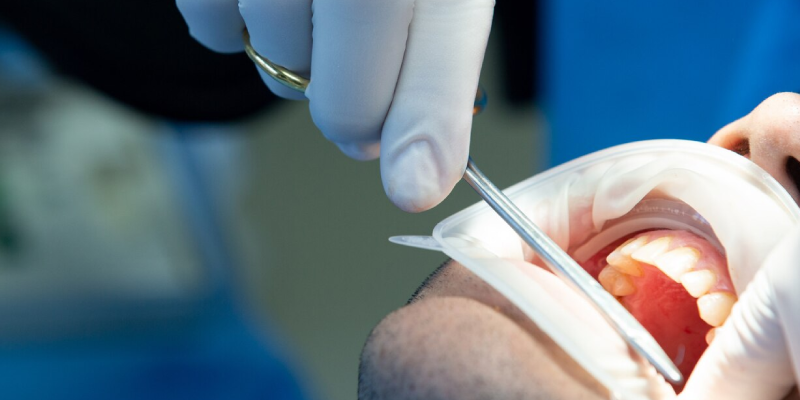
Periodontal surgery is a specialized dental procedure used to treat advanced gum disease and restore the health of the supporting structures of the teeth. When gum disease progresses beyond the early stages, bacteria can damage the gums, bone, and tissues that hold the teeth in place. Periodontal surgery helps eliminate infection, repair damaged tissues, and prevent further deterioration of oral health.
Why is Periodontal Surgery Needed?
In many cases, early gum disease can be treated with non-surgical procedures such as scaling and root planing. However, when periodontal disease becomes severe, deep pockets form between the teeth and gums, making it difficult to remove bacteria through regular cleaning methods. Periodontal surgery allows the dentist or periodontist to access these deep areas, remove infection, and restore healthy gum tissue.
Common Conditions Treated with Periodontal Surgery
Periodontal surgery is recommended for patients with advanced gum disease or severe damage to the gums and supporting bone. It helps stop the progression of infection and protect the teeth from further complications.
- Advanced periodontitis
- Deep periodontal pockets
- Severe gum recession
- Bone loss around teeth
- Persistent gum infections
- Loose or shifting teeth due to gum disease
Types of Periodontal Surgery
Different types of periodontal surgical procedures are performed depending on the severity of the condition and the patient’s oral health needs. The dentist will recommend the most appropriate treatment after a thorough examination and diagnosis.
- Flap Surgery: The gums are gently lifted to remove bacteria and tartar from deep pockets.
- Bone Grafting: Restores bone lost due to periodontal disease.
- Gum Grafting: Covers exposed tooth roots and restores gum tissue.
- Guided Tissue Regeneration: Encourages regrowth of bone and gum tissues.
- Crown Lengthening: Reshapes gum tissue to expose more of the tooth structure.
The Periodontal Surgery Procedure
The treatment begins with a detailed evaluation of the gums, teeth, and bone structure. Digital X-rays or scans may be taken to determine the severity of the infection and plan the surgical approach. The procedure is typically performed under local anesthesia to ensure comfort.
During the surgery, the dentist carefully removes infected tissue and bacteria from the gum pockets. If necessary, bone grafts or regenerative materials may be used to rebuild lost bone and support the teeth. Once the area is thoroughly cleaned and treated, the gums are repositioned and sutured to promote proper healing.
Benefits of Periodontal Surgery
Periodontal surgery offers several important benefits for patients suffering from advanced gum disease. It helps eliminate infection, improve gum health, and preserve natural teeth.
- Removes harmful bacteria and infection
- Reduces deep gum pockets
- Restores damaged gum and bone tissues
- Prevents further tooth loss
- Improves oral health and hygiene
- Enhances overall appearance of gums
Is Periodontal Surgery Painful?
Periodontal surgery is performed under local anesthesia, ensuring a comfortable and pain-free experience. Mild swelling, sensitivity, or discomfort may occur after the procedure, but these symptoms typically resolve within a few days. Dentists usually prescribe medications and provide post-operative care instructions to ensure a smooth recovery.
Recovery and Aftercare
After periodontal surgery, patients should follow the dentist’s instructions carefully to promote proper healing. Maintaining good oral hygiene, avoiding hard foods for a few days, and attending follow-up visits are essential steps for successful recovery. Using prescribed mouth rinses and medications can also help prevent infection during the healing process.
Preventing Gum Disease After Surgery
Preventing the recurrence of gum disease requires consistent oral hygiene practices and regular dental check-ups. Brushing twice daily, flossing regularly, and scheduling professional cleanings help keep the gums healthy. Avoiding tobacco products and maintaining a balanced diet also contribute to long-term gum health.
Why Choose Periodontal Surgery?
Periodontal surgery is an effective solution for treating advanced gum disease and restoring oral health. By addressing infection and repairing damaged tissues, the procedure helps preserve natural teeth and maintain healthy gums. With modern dental techniques and specialized care, periodontal surgery offers long-lasting results and improved overall dental health.