What are Full Mouth Implants?
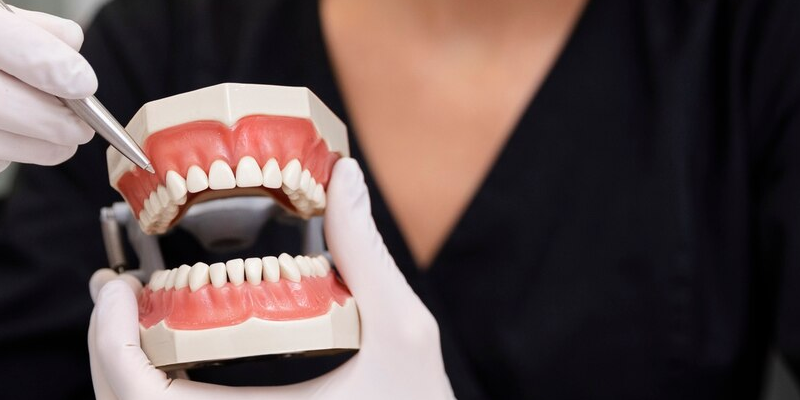
Full mouth dental implants are a comprehensive solution for individuals who have lost most or all of their teeth in the upper jaw, lower jaw, or both. This advanced treatment replaces an entire set of missing teeth using strategically placed dental implants that support a full arch of fixed prosthetic teeth. Unlike traditional dentures, full mouth implants provide a permanent, stable, and natural-looking solution that restores both function and aesthetics.
Why Choose Full Mouth Dental Implants?
Losing multiple teeth can significantly affect oral health, facial appearance, and overall quality of life. Traditional dentures may feel uncomfortable, slip while speaking or eating, and require adhesives for stability. Full mouth dental implants eliminate these issues by providing a fixed restoration that feels and functions like natural teeth. They restore confidence and allow patients to enjoy normal eating, speaking, and smiling.
Who is a Candidate for Full Mouth Implants?
Full mouth implants are recommended for individuals who have lost most or all of their teeth due to severe tooth decay, gum disease, trauma, or aging. Patients who currently wear dentures and are looking for a more stable and permanent solution may also benefit from this treatment. A thorough dental examination, including digital imaging and bone evaluation, helps determine eligibility for implant placement.
How Do Full Mouth Implants Work?
In a full mouth implant procedure, several dental implants are placed strategically into the jawbone to support a full arch of prosthetic teeth. Typically, four to six implants are used per arch, depending on the patient's bone structure and treatment plan. These implants act as artificial tooth roots and fuse with the jawbone through a process known as osseointegration, providing a strong and stable foundation for the prosthetic teeth.
The Full Mouth Implant Procedure
The process begins with a comprehensive consultation and diagnostic evaluation. Digital X-rays, CT scans, and impressions are used to plan precise implant placement. If necessary, procedures such as tooth extraction or bone grafting may be performed before implant placement.
During the surgical phase, titanium implants are inserted into the jawbone under local anesthesia. Temporary prosthetic teeth may be provided during the healing period, allowing patients to maintain appearance and function. After several months of healing and integration, the final custom-designed prosthetic teeth are securely attached to the implants.
Benefits of Full Mouth Implants
Full mouth dental implants provide numerous advantages compared to traditional dentures or bridges. They restore both functionality and aesthetics while promoting long-term oral health.
- Permanent and fixed solution for missing teeth
- Improved chewing efficiency
- Enhanced speech clarity
- Prevents jawbone loss
- Natural appearance and feel
- No need for adhesives or removable dentures
- Improves confidence and quality of life
Are Full Mouth Implants Painful?
The implant placement procedure is performed under local anesthesia, ensuring a comfortable experience. Patients may experience mild swelling or discomfort after the surgery, which usually subsides within a few days. Pain can be effectively managed with prescribed medications, and most patients return to normal activities within a short period.
Full Mouth Implants vs Traditional Dentures
Traditional dentures rest on the gums and may shift or cause discomfort while eating or speaking. In contrast, full mouth implants are securely anchored into the jawbone, providing superior stability and functionality. Implants also help preserve bone structure, whereas dentures may contribute to gradual bone loss over time.
Aftercare and Maintenance
Caring for full mouth implants is similar to maintaining natural teeth. Daily brushing, flossing, and regular dental visits are essential to ensure long-term success. Proper oral hygiene helps prevent infection around the implants and keeps the prosthetic teeth in excellent condition.
How Long Do Full Mouth Implants Last?
With proper care and regular dental check-ups, dental implants can last for many years, often a lifetime. The prosthetic teeth may require replacement after several years due to wear, but the implants themselves remain stable and durable when maintained properly.
Why Choose Full Mouth Dental Implants?
Full mouth dental implants offer a reliable and life-changing solution for individuals with extensive tooth loss. They restore the ability to eat comfortably, speak clearly, and smile confidently. With advanced implant technology and personalized treatment planning, full mouth implants provide long-lasting results and significantly improve overall oral health and quality of life.